
 Dec 31, 2025
  21 Min Read
| The recent innovative marketing campaigns in 2025 succeeded by blending emotional storytelling, platform-native content, AI creativity, and cultural relevance. Brands like Spotify, Nike, Blinkit, Airbnb, and Barbie focused less on selling and more on creating experiences people wanted to share. For marketers planning campaigns in 2026, the key takeaways include product-led growth, experiential marketing, personalization at scale, and entertainment-first strategies that drive engagement, organic reach, and long-term brand loyalty. In this roundup, we explore recent innovative marketing campaigns examples 2025, analyze the trends shaping these campaigns, and share key insights for content marketers and agencies. |
If you’re a marketer, you already know this – 2025 was not a year for safe ideas. Audiences scrolled faster, attention spans shrank, and “good enough” campaigns simply disappeared into the feed.
The brands that won in 2025 did something different. They didn’t just promote products – they created moments, sparked conversations, and became part of culture. From AI-powered creativity and chaos marketing to purpose-driven storytelling and experiential drops, marketing in 2025 demanded bravery, relevance, and authenticity.
In this blog, we break down the 25 most innovative marketing campaigns of 2025 – what made them work, why people cared, and the exact insights you can apply to outshine competitors in 2026. If you’re planning your next big campaign, consider this your inspiration board and strategy guide rolled into one.
Recent Examples of Innovative Marketing Campaigns 2025
2025 was a year of bold creativity, cultural relevance, and technological experimentation in marketing. From AI-generated visuals to experiential storytelling, brands pushed boundaries to capture attention and engage audiences in new ways. In fact, campaigns with strong emotional storytelling and platform-native content saw up to 3x higher engagement rates compared to traditional marketing efforts.
This roundup of the influencer marketing news, highlights the strategies, insights, and lessons that marketers can leverage to outshine in 2026.
Let’s get started with recent examples of innovative marketing campaigns 2025:
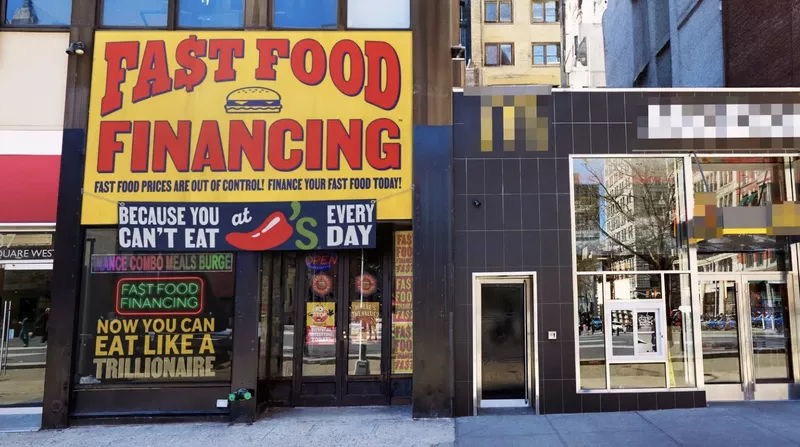
1. Chili’s — Turning a Restaurant Brand into a Cultural Personality
Chili’s quietly became one of the most talked-about brands of 2025 by abandoning traditional restaurant marketing altogether. Instead of focusing on menu items or discounts, the brand leaned into internet humor, nostalgia, and cultural relevance.
Chili’s content felt less like advertising and more like something you’d stumble upon organically on social media — witty, self-aware, and intentionally unserious.
Ad campaign:
Source: Storychief
Why it worked
- Chili’s understood that attention today is earned through entertainment, not promotion
- Nostalgia created emotional comfort during economic uncertainty
- The brand spoke with internet culture, not at it
2026 Insight
Brands that behave like cultural participants — not advertisers — will consistently outperform those still relying on traditional promotional messaging.
2. Dove — #ShareTheFirst and the Power of Vulnerability
Dove’s #ShareTheFirst campaign asked people to post the first photo they took, instead of the perfectly curated final version. This simple idea tapped into a deep emotional truth: perfection is exhausting.
The campaign spread organically as creators, influencers, and everyday users shared unfiltered images and personal stories.
Ad campaign:
Source: Dove
Why it worked
- Perfectly aligned with Dove’s long-standing Real Beauty platform
- Encouraged participation rather than passive consumption
- Made vulnerability feel empowering, not embarrassing
2026 Insight
The future of brand trust lies in campaigns that celebrate imperfection and allow audiences to show up as they are.
3. American Eagle — “Sydney Sweeney Has Great Jeans”
American Eagle’s 2025 campaign starring Sydney Sweeney dominated social feeds and sparked widespread conversation — including controversy. But that controversy only amplified reach and awareness.
The campaign leaned into confidence, desirability, and meme-ability while keeping the product front and center.
Ad Campiagn:
Source: American Eagle
Why it worked
- Celebrity relevance created instant attention
- Controversy fueled organic discussion and shares
- Strong product-category association drove conversion
2026 Insight
Bold creative can deliver massive upside — but brands must be prepared with sentiment monitoring and rapid response strategies.
4. Coca-Cola — Share a Coke (Gen Z Relaunch)
Coca-Cola revived its iconic “Share a Coke” campaign with a modern twist: QR codes, digital personalization, and social-first storytelling designed for Gen Z.
By combining nostalgia with technology, Coca-Cola bridged generations without alienating younger audiences.
Ad Campaign:
Source: Coca-Cola
Why it worked
- Emotional memory triggered through personalization
- Seamless offline-to-online experience
- Encouraged sharing, creation, and participation
2026 Insight
The smartest innovation often comes from reimagining what already works, not starting from scratch.
5. ChatGPT (OpenAI) — Making AI Feel Human
Instead of marketing ChatGPT as advanced technology, OpenAI focused on everyday use cases: writing emails, planning trips, brainstorming ideas. AI wasn’t portrayed as futuristic — it was portrayed as helpful.
Ad Campaign:
Source: ChatGPT
Why it worked
- Reduced fear and intimidation around AI
- Focused on outcomes, not features
- Showed AI fitting naturally into daily life
2026 Insight
Complex products must be marketed through human benefit, not technical superiority.
6. Barbie — Type 1 Diabetes Doll
Barbie released a Type 1 Diabetes doll as part of Mattel’s commitment to representation and inclusivity. The doll included realistic features like an insulin pump and accessories, aiming to educate children and normalize conversations around chronic conditions.
The campaign was supported with educational social media content, influencer stories, and collaborations with healthcare advocates, creating awareness while emphasizing empathy and understanding.
Ad campaign:
Source: NBC News, Barbie
Why it worked
- Genuine inclusion rooted in real experiences
- Strong emotional connection with families
- Earned widespread positive media coverage
2026 Insight
Representation must be intentional, informed, and collaborative — not performative.
7. Liquid Death x Ozzy Osbourne — Shock That Made Sense
Liquid Death sold cans containing Ozzy Osbourne’s DNA — an absurd idea that instantly went viral. But the brilliance lay in brand alignment: it felt exactly like something Liquid Death would do.
Ad Campaign:
Source: Liquid Death
Why it worked
- Shock value aligned with brand voice
- Scarcity created urgency
- Earned media far exceeded paid reach
2026 Insight
Shock marketing only works when it reinforces — not distracts from — brand identity.
8. IKEA — “Where Life Happens”
IKEA focused its storytelling on life moments — moving out, breakups, growing families — positioning furniture as a quiet witness to real life.
Ad Campaign:
Source: IKEA
Why it worked
- Universally relatable narratives
- Emotionally driven brand recall
- Elevated IKEA beyond product messaging
2026 Insight
People remember how brands make them feel, not what they sell.
9. Gap — “Better in Denim”: Reclaiming Cultural Relevance Through Movement
After years of struggling with brand perception, Gap’s “Better in Denim” campaign marked a cultural reset. Instead of positioning denim as a wardrobe essential, Gap reframed it as a creative expression tied to movement, music, and identity.
The campaign featured diverse Gen Z creators, dancers, and musicians wearing Gap denim in fluid, energetic performances designed for TikTok, Instagram Reels, and Shorts. The visuals felt raw, kinetic, and modern — a sharp contrast to Gap’s traditionally safe advertising style.
Ad campaign:
Source: Gap
Why it worked
- It embedded itself inside youth culture.
- Denim wasn’t the hero; self-expression was.
- By collaborating with creators who already had cultural credibility, Gap borrowed trust rather than trying to manufacture coolness.
2026 Insight
Legacy brands don’t need to reinvent themselves — they need to re-enter culture with humility. Partner with creators who already speak the language of your audience, and let the product support the story rather than dominate it.
10. Nike — “Whatever They Say You Can’t Do, So Do It” (2025 Super Bowl)
Nike’s Super Bowl ad celebrated women in sports, focusing on overcoming doubt and societal limits. Featuring elite athletes and everyday women, it highlighted resilience, confidence, and empowerment — not products.
Ad campaign:
Source: Nike
Why it worked:
- Emotional storytelling over product features
- Cultural relevance with rising women’s sports visibility
- Star power + authentic everyday representation
- Sparked conversations and social sharing
2026 Insight:
Marketing wins when it shapes conversations people care about. Lead with narrative and purpose, not just products.
11. Spotify — “Daylist”: Turning Mood Into a Daily Ritual
Spotify’s “Daylist” evolved from a feature into a cultural phenomenon. By updating playlists dynamically based on time of day, behavior, and mood, Spotify turned listening into a living, shareable experience.
People began sharing screenshots of their “current mood playlist” on social media, turning Spotify into a self-expression tool.
Why it worked
- Spotify didn’t market — it designed virality.
- People shared Daylists because it felt personal, funny, and relatable. This was personalization at scale without feeling invasive.
2026 Insight
The strongest marketing will be product-led. If your product creates emotional identity, users will do the distribution for you.
12. Apple — “Shot on iPhone”: Real Stories, Real People
Apple further stripped away polish from its iconic “Shot on iPhone” platform. Instead of cinematic visuals, Apple showcased raw, emotional moments captured by everyday users — protests, family moments, quiet creativity.
The campaign felt less like advertising and more like documentation of humanity.
Ad campaign:
Source: Apple
Why it worked
- Apple leaned into social proof, letting users demonstrate product capability organically.
- Trust increased because Apple wasn’t telling people the iPhone was great — people were showing it.
2026 Insight
User validation is more powerful than brand storytelling. Build platforms that allow customers to prove your value for you.
13. LEGO — “Never Stop Playing”: Redefining Creativity for Adults
LEGO challenged the idea that play is childish. Their 2025 campaign highlighted adults using LEGO as a creative outlet for stress relief, mental health, and expression.
The visuals were calm, intentional, and introspective — a departure from high-energy toy advertising.
Ad campaigns:
Source: LEGO
Why it worked
- LEGO didn’t sell toys; it sold permission. Permission for adults to slow down, create, and reconnect with curiosity.
- This reframing expanded LEGO’s audience without alienating its core base.
2026 Insight
Category expansion doesn’t require new products — it requires new meaning.
14. Duolingo — Full Commitment to Chaos Marketing
Duolingo’s social strategy leaned unapologetically into absurdity. The brand mascot became a chaotic, self-aware internet character participating in trends, jokes, and memes — often unrelated to language learning.
Why it worked
- Duolingo understood platform culture better than most brands. Instead of resisting chaos, it embraced it — consistently.
- The audience didn’t feel marketed to; they felt entertained.
2026 Insight
Consistency beats cleverness. If you choose a tone, commit fully — half-measures kill authenticity.
15. GoDaddy — “Act Like You Know”
GoDaddy’s campaign “Act Like You Know” aimed to empower small business owners and entrepreneurs to confidently own their online presence. The campaign used bold, humorous, and motivational messaging, showing people taking control of domains, websites, and branding with a “know‑how” attitude.
Social media content, influencer partnerships, and short-form video clips amplified the message and encouraged business owners to share their own stories.
Ad campaign:
Souce: GoDaddy
Why It Worked
- Empowered audiences with confidence and actionable advice
- Combined humor with practical business guidance
- Designed for shareable social content that encouraged user participation
2026 Insight
Campaigns targeting entrepreneurs must blend education, empowerment, and entertainment. Providing value while encouraging self-expression will drive engagement and brand advocacy.
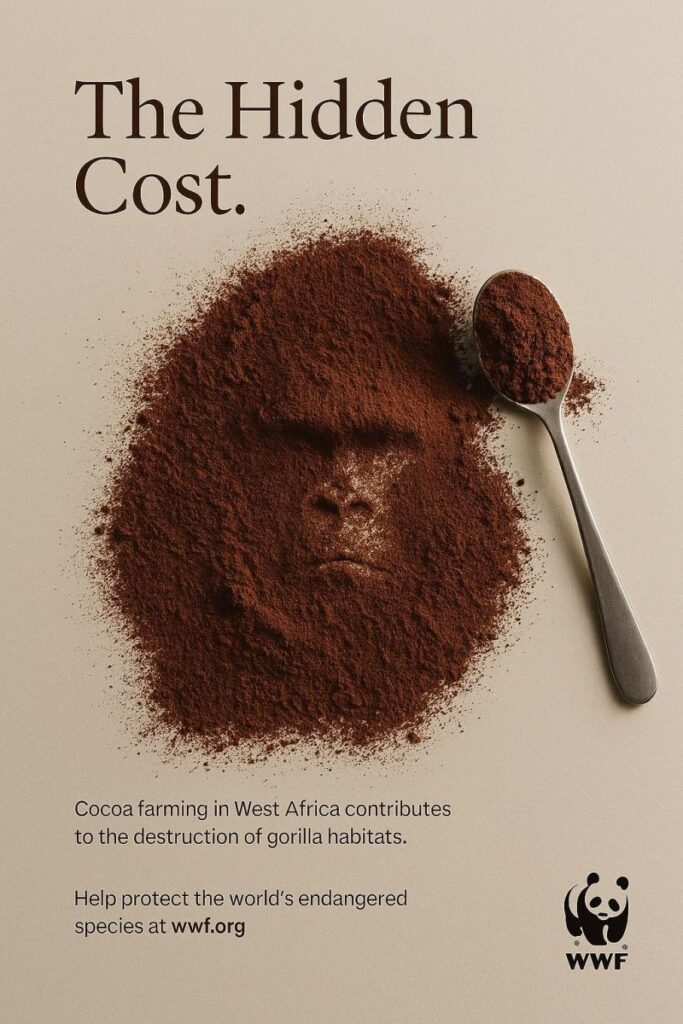
16. WWF Denmark — “The Hidden Cost”
WWF Denmark launched “The Hidden Cost” to reveal the environmental impact of everyday consumer products. Using striking AI-generated visuals, the campaign connected daily items — like coffee, chocolate, and cosmetics — to the destruction of habitats and endangered species.
Social media sharing, visually compelling storytelling, and discussion around AI-created art drove engagement and awareness.
Source: famouscampaigns
Why It Worked
- Turned abstract environmental issues into tangible, relatable visuals
- Leveraged AI for creative, shareable content
- Sparked social conversations and advocacy
2026 Insight
Purpose-driven campaigns must visualize impact and make abstract issues tangible. Emerging technology can amplify storytelling, but emotional resonance remains the key to engagement.
17. State Farm — “Trainer”
State Farm’s 2025 campaign “Trainer” focused on insurance in a humorous, relatable way. The ad featured a personal trainer who unexpectedly helps clients navigate everyday life mishaps — blending real-life situations with light-hearted insurance messaging. The campaign ran across TV, digital, and social platforms, with short clips optimized for sharing and engagement.
Ad campaign:
Source: State Farm
Why It Worked
- Made insurance relatable through humor and storytelling
- Showcased real-life scenarios people could identify with
- Designed for cross-platform sharing, boosting reach and engagement
2026 Insight
Traditionally “boring” industries must use storytelling and humor to humanize their brand, creating shareable, relatable content that resonates across platforms.
18. Uber Eats x Jude Law — “Rom-Com Cliché”
Uber Eats partnered with Jude Law for the playful campaign “Rom-Com Cliché”, turning classic romantic comedy tropes into humorous food delivery scenarios.
The campaign featured short, witty videos where Uber Eats delivered meals in cinematic, exaggerated rom-com moments — like surprise dinners, mistaken orders, and dramatic encounters — creating shareable content across social media and streaming platforms.
Ad campaigns:
Source: Uber Eats
Why It Worked
- Leveraged humor and familiar pop-culture tropes for instant relatability
- Star power (Jude Law) increased credibility and attention
- Designed for viral sharing through short, entertaining clips
2026 Insight
Brands can amplify engagement by blending storytelling with cultural references. Humor, nostalgia, and recognizable formats will make campaigns shareable and memorable, while celebrity partnerships can boost initial reach.
19. FILA x Almost Gods — AI-Generated Campaign
FILA collaborated with creative studio Almost Gods to launch a campaign entirely generated with AI, from visuals to storytelling. The campaign showcased FILA sneakers in surreal, imaginative settings that would be impossible to produce in traditional shoots.
By combining fashion with futuristic AI aesthetics, the campaign captured attention on Instagram, TikTok, and fashion blogs, sparking conversation about creativity and technology.
AD Campaign:
Source: FILA
Why It Worked
- Pushed boundaries of fashion advertising with visually stunning AI-generated content
- Created buzz around innovation and tech in branding
- Designed for social sharing and viral discussion
2026 Insight
AI can amplify creativity and scale content production, but campaigns must balance novelty with brand identity. Surreal or experimental content works best when it’s shareable and culturally resonant.
20. Dyson — “Dyson Airbrow” April Fools Prank
Dyson launched the “Dyson Airbrow”, a playful April Fools’ campaign claiming to have invented a device that styles your eyebrows with airflow technology.
The campaign featured a sleek product mock-up, humorous videos, and social media teasers, engaging audiences with Dyson’s signature innovation credibility while showcasing a fun, unexpected side of the brand.
Source: Dyson
Why It Worked
- Captured attention through humor and surprise
- Aligned with Dyson’s tech-forward brand identity, making the prank believable
- Designed for social sharing, sparking conversations and media coverage
2026 Insight
Leveraging brand credibility while adding humor increases engagement and shareability without diluting brand value.
21. Airbnb — “Icons” Experience Drop
Airbnb launched “Icons,” allowing users to stay in locations inspired by pop culture—from movie homes to fictional worlds. The campaign blurred the line between entertainment and hospitality.
Social media buzz, influencer walkthroughs, and limited availability created urgency and virality.
Ad campaign:
Source: Airbnb
Why It Worked
- Turned booking into an experience
- Fused fandom with travel
- Designed for social sharing
2026 Insight
Experiential marketing must be share-first and story-driven, not just experiential.
22. Patagonia — “Repair Is Revolutionary”
Patagonia doubled down on sustainability by actively discouraging overconsumption. The brand promoted repair guides, reuse stories, and second-life product journeys.
Instead of pushing sales, Patagonia focused on long-term trust and environmental responsibility.
Ad campiagn: https://www.instagram.com/reel/DRCkiZqCar9/?hl=en
Why It Worked
- Radical honesty stood out
- Values matched actions
- Built deep brand loyalty
2026 Insight
Purpose marketing only works when profits don’t overpower principles.
23. Frankies Bikinis — Influencer Collaboration & Aesthetic Narrative
Frankies Bikinis amplified its brand presence through influencer collaborations that highlighted both product and lifestyle. The campaign leaned heavily on aesthetic storytelling, using Instagram and TikTok creators to showcase the swimsuits in aspirational beach and poolside settings.
By blending curated visuals with relatable micro-narratives, Frankies Bikinis created an emotional connection with audiences while emphasizing style, confidence, and summer vibes.
Ad campaign:
Source: Frankies Bikinis
Why It Worked
- Leveraged influencers to build credibility and social proof
- Combined visual aesthetics with lifestyle storytelling, making posts aspirational yet relatable
- Designed for organic social sharing, encouraging engagement through tagged content and reels
2026 Insight
Lifestyle and fashion brands must blend influencer authenticity with strong visual narratives. Marketing should focus on creating shareable, story-driven content that inspires aspiration while feeling genuine, ensuring both reach and engagement.
24. Astronomer x Gwyneth Paltrow — Starry Lifestyle Collaboration
Astronomer partnered with Gwyneth Paltrow for a lifestyle-meets-astrology campaign. The collaboration offered curated celestial experiences, from personalized star charts to immersive cosmic-themed products, blending luxury lifestyle with astrology. Gwyneth’s involvement lent credibility, lifestyle appeal, and storytelling power, while social media activations and influencer content amplified awareness.
Source: The Independent
Why It Worked
- Combined celebrity influence with aspirational lifestyle and astrology trends
- Created personalized, experiential products that felt exclusive
- Designed for shareable social content, sparking curiosity and engagement
2026 Insight
Celebrity-brand collaborations work best when they merge authenticity, lifestyle aspiration, and shareable experiences. Personalization and exclusivity drive engagement and cultural relevance.
25. Naukri.com
Naukri.com launched a smart OOH campaign(Out of Home advertising) inside Mumbai and Delhi Metro coaches, using mirror installations with the message “Kab tak latke rahoge?” to prompt commuters to reflect on career stagnation and consider new job opportunities.
Ad campiagn: https://www.instagram.com/p/DO0CYbYEU7p/
Source: marketingmind.in
Why It Worked
- Used contextual placement during daily commutes for instant relevance
- Encouraged self-reflection by literally putting commuters face-to-face with the message
- Sparked organic social sharing through relatable, witty storytelling
2026 Insight
Context-driven campaigns that tap into everyday moments and personal reflection create stronger recall, engagement, and shareability—without relying on celebrity power.
12 Pro Tips to Run Innovative Marketing Campaigns in 2026
Marketing is no longer just about promoting products — it’s about creating experiences, sparking conversations, and building emotional connections. According to recent studies, brands that leverage emotional storytelling see up to 2.5x higher engagement, while experiential and interactive campaigns increase purchase intent by 70%.
These 12 pro tips provide actionable insights for marketers to craft campaigns that resonate, drive engagement, and leave a lasting impact. Also, learn about the additional content creator tools to help elevate your content.
Tip 1: Lead With Story, Not Product
Audiences respond to emotional narratives over features. Build campaigns around relatable stories that naturally integrate your brand. Focus on creating characters, conflict, and resolution to evoke empathy, making your brand memorable and meaningful.
Tip 2: Embrace Product-Led Marketing
When your product itself creates an emotional or cultural identity (like Spotify Daylist), users will share and distribute organically. Design features that feel personal and exciting, so your product becomes the marketing medium without appearing promotional.
Tip 3: Experiment With AI Creatively
AI is no longer just a tool for efficiency. Use it for concept ideation, visuals, and even content storytelling, while maintaining brand authenticity. Test AI for generating ideas, personalized content, and innovative visuals that would be impossible to produce manually.
Tip 4: Make Experiences Shareable
Whether experiential (Airbnb Icons) or digital (Blinkit), design campaigns to be social-first, encouraging organic sharing and engagement. Include clear moments or hooks that audiences can capture, photograph, or clip, maximizing viral potential.
Tip 5: Collaborate With Micro-Influencers
Micro-influencers often drive higher engagement and relatability than celebrities. They’re ideal for niche campaigns and community-building. Leverage authentic voices and localized followings to amplify trust, credibility, and deeper connection with your audience.
Tip 6: Personalization at Scale
Dynamic, personalized content (like Spotify Daylist or Blinkit micro-stories) increases relevance without feeling invasive. Segment audiences intelligently and deliver contextually relevant messages that feel tailored, boosting emotional resonance and engagement.
Tip 7: Cultural Relevance Is Key
Tap into current trends, humor, or local culture to make campaigns feel timely, relatable, and share-worthy. Monitor social and cultural conversations closely, adapting campaigns to ensure your brand feels current, relevant, and culturally aware.
Tip 8: Leverage Cross-Platform Storytelling
Don’t just post the same content everywhere. Tailor formats for Instagram, TikTok, YouTube, and OTT to maximize reach and engagement. Consider native content, platform algorithms, and audience behavior to make each piece feel purpose-built for its medium.
Tip 9: Blur Boundaries Between Entertainment and Marketing
Campaigns like Nike’s Super Bowl ad or Uber Eats rom-com spots work because they feel like entertainment first, marketing second. Prioritize creating memorable moments and experiences that audiences willingly consume and share instead of pushing overtly branded messaging.
Tip 10: Harness Purpose-Driven Campaigns
Highlight social, environmental, or cultural purpose (WWF Denmark, Barbie T1 Diabetes Doll). Purpose-driven marketing builds trust and long-term loyalty. Tie your campaign to authentic brand values and communicate impact clearly to inspire emotional engagement and advocacy.
Tip 11: Mix Humor and Relatability
Brands in “boring” categories (State Farm, Coors Light) can humanize themselves with humor, relatability, and everyday storytelling. Use real-life situations, playful narratives, and gentle satire to make your brand memorable and approachable.
Tip 12: Test and Iterate Fast
Digital-first campaigns allow real-time feedback. Monitor engagement and optimize quickly to maximize impact and cultural relevance. Experiment with messaging, formats, and timing, using performance data to refine content for better audience resonance and ROI.
BONUS BOX: 2026 Marketing Playbook(Marketing insights 2026)If you’re planning campaigns for 2026, this is where theory turns into execution. The most effective marketers next year won’t chase trends — they’ll engineer participation and cultural relevance. Here’s how to operationalize the shift: 1. From Speed → Emotional Impact 2. From Impressions → Participation 3. From Campaigns → Culture Creation Marketer’s Reality Check for 2026
Pro Tip: |
Conclusion
The key lesson from the best marketing campaigns of 2025 for marketers is simple: innovation isn’t about doing more, it’s about meaning more. The campaigns that worked didn’t rely on big budgets or flashy tech—they succeeded by understanding human behavior, platform culture, and emotional relevance. From Blinkit turning impatience into pride, to Spotify making identity shareable, to Barbie normalizing real conversations, winning brands built trust before traction.
As we move into 2026, execution becomes the real differentiator. At Orange MonkE, we help brands turn these insights into scalable marketing systems—combining culture-first strategy, AI-powered content, SEO visibility, and reputation management because campaigns don’t just launch; they live and grow.
Happy Campaigning!
FAQs
1. What were the most innovative marketing campaigns of 2025?
The most innovative marketing campaigns of 2025 included brands like Spotify, Nike, Chili, Blinkit, Airbnb, Barbie, and Zomato. These campaigns stood out by using emotional storytelling, platform-native content, AI-powered creativity, and experiential marketing to drive engagement and social sharing.
2. Why did these marketing campaigns succeed in 2025?
These campaigns succeeded because they focused on culture, emotion, and audience participation rather than direct selling. By understanding platform behavior and human psychology, brands created content people wanted to watch, share, and engage with organically.
3. What can marketers learn from 2025 marketing campaigns for 2026?
Marketers planning 2026 campaigns can learn the importance of product-led growth, experiential storytelling, personalization at scale, and entertainment-first marketing. Execution, relevance, and emotional connection will be key differentiators moving forward.
4. How is AI influencing modern marketing campaigns?
AI is transforming marketing by enabling faster content creation, personalized experiences, and creative experimentation at scale. In 2025, brands used AI not just for efficiency but for innovation, storytelling, and visual creativity, setting the stage for 2026 strategies.
5. What marketing strategies will be most effective in 2026?
The most effective marketing strategies in 2026 will focus on emotional storytelling, platform-native content, creator collaborations, experiential marketing, and strong brand purpose. Campaigns that feel authentic and shareable will outperform traditional promotional advertising.


We build the digital growth engine for businesses that don't have the time, team or clarity to do it themselves
Let's Start Your Success Story