Feb 2, 2026
  30 Min Read
Can SEO and PPC Work Together?In short, yes! SEO and PPC services work together as a single search strategy that outperforms either channel run alone. In 2026, the integrated model is the default for businesses competing on commercial search terms because each channel supplies what the other lacks. What PPC contributes to SEO:
What SEO contributes to PPC:
The combined outcome:
Running SEO and PPC as separate teams with separate goals delivers the cost of both channels with the benefit of neither. |
PPC delivers quick visibility and instant clicks but can drain budgets fast. SEO, on the other hand, builds sustainable long-term growth, but often tests patience. As a result, many businesses keep switching between SEO and PPC services, hoping one will magically solve their problems, without realizing that real growth happens when both PPC and SEO services work together.
This blog is for you, if you are someone who is pouring money into paid ads but still not seeing real conversions? Or you’re someone who believes in organic growth and keeps investing in SEO services still wondering why results are taking forever? Maybe you’re a completely new business who wants to deepen their digital marketing efforts and are confused about whether to invest in SEO, PPC, or both.
You’re not alone. Businesses today face this exact challenge every day.
The truth is, over 68% of website traffic comes from SEO and paid search combined, yet most companies still run them as separate strategies.
This blog exactly recommends how to combine SEO and PPC services effectively to increase leads, maximize targeted traffic, and improve conversions. Whether you’re struggling with low PPC performance, slow SEO growth, or simply unsure which digital marketing strategy to invest in, this guide will give you clear, actionable answers.
| Factor | PPC Alone | SEO Alone | Integrated SEO + PPC |
|---|---|---|---|
| Time to first qualified lead | Hours | 3 to 6 months | Hours |
| Cost per visitor over 12 months | Stays linear with spend | Decreases as rankings hold | Decreases overall |
| Keyword validation speed | 7 to 14 days | 3 to 4 months | 7 to 14 days |
| Stability during algorithm updates | High (paid is unaffected) | Variable | High |
| Stability if budget is cut | Traffic drops to zero | Stable | Partial protection |
| Best for | Launches, competitive terms | Authority, long-tail | Full-funnel growth |
What is SEO?
SEO (Search Engine Optimization) is a digital marketing strategy focused on improving a website’s visibility in organic search engine results. It involves optimizing various on-page, technical, and off-page elements so that search engines like Google can better understand, trust, and rank your website.
SEO includes activities such as keyword research, content optimization, improving website speed and user experience, fixing technical issues, and building high-quality backlinks. The goal of SEO is to attract relevant, high-intent traffic without paying for ads, creating long-term and sustainable online growth.
What is PPC?
PPC (Pay-Per-Click) is a paid digital advertising model where businesses display ads on search engines and pay only when someone clicks on them. These ads typically appear at the top and bottom of search engine results pages (SERPs), giving brands immediate visibility for targeted keywords.
With PPC, advertisers bid on specific search terms, create optimized ads, and drive users to dedicated landing pages. Platforms like Google Ads and Microsoft Ads allow businesses to control budgets, target specific audiences, and measure performance in real time—making PPC one of the fastest ways to generate traffic and leads.
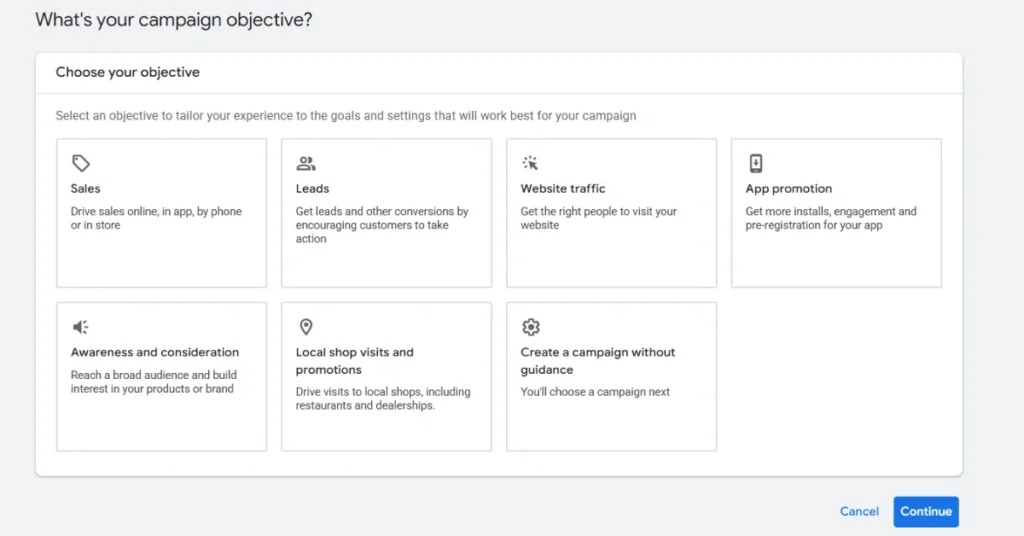
Google Ads interface displaying different campaign objective options.
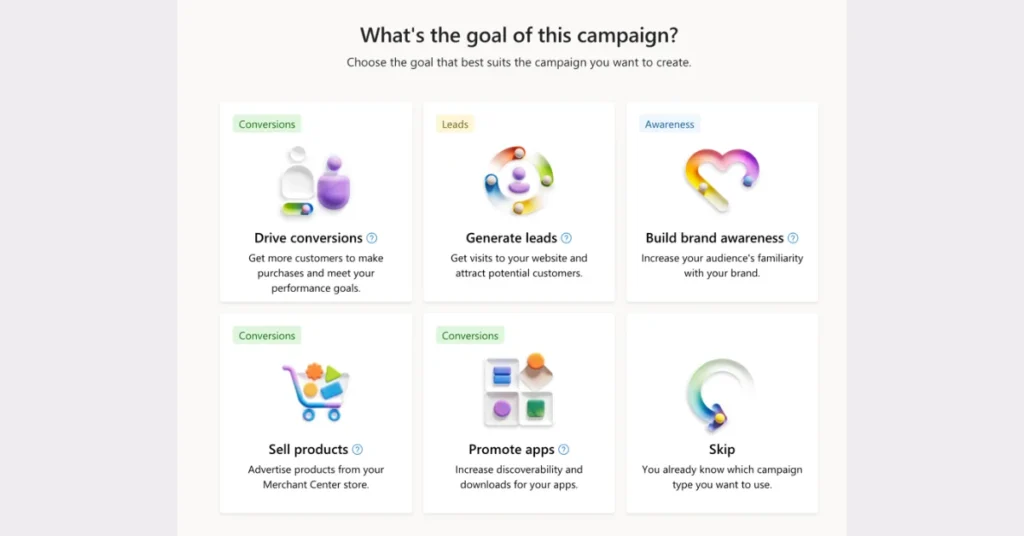
Microsoft Ads interface displaying campaign goal options for advertisers.
Can SEO and PPC Services Work Together?
Absolutely, SEO and PPC don’t just work together, they work better together.
SEO builds long-term organic visibility, while PPC delivers immediate paid exposure. When used strategically, these channels create a powerful digital marketing ecosystem that drives faster results, smarter decisions, and higher ROI.
Successful marketers treat SEO and PPC as complementary strategies. PPC provides real-time insights into user behavior and high-performing keywords, while SEO leverages those insights to create optimized content and sustainable rankings.
Here’s how SEO strengthens PPC campaigns:
- Higher Quality Scores & Lower Costs: SEO-optimized landing pages improve relevance, which Google rewards with higher Quality Scores—reducing CPC and improving ad position.
- Smarter Keyword Strategy: Organic search data identifies top-performing keywords, topics, and content types, guiding more effective PPC targeting.
- Enhanced Visibility & Credibility: Ranking in both organic and paid results boosts brand trust and often increases overall CTR.
- Improved Conversions: SEO-focused pages offer better UX and relevant content, helping convert paid traffic more efficiently.
- Cost-Effective Keyword Management: Expensive PPC keywords can move to organic over time, freeing up budget, while PPC can test new keywords before SEO invests in them.
- Content Testing & Amplification: PPC campaigns can test headlines, messaging, and offers quickly, while SEO helps amplify the top-performing content across organic channels for maximum reach.
By combining SEO and PPC services, businesses achieve campaigns that are more targeted, efficient, and profitable—proving that together, they deliver far greater impact than either alone.
SEO and PPC Services Case Studies
Want proof that SEO and PPC really work better together? These case studies show how smart, integrated SEO and PPC services helped real businesses get more traffic, better leads, and stronger results.
Case Study 1:
GreenScape Landscaping, a regional home landscaping company, wanted to increase service inquiries and dominate local search results. Despite offering premium services, they struggled with low online visibility and inconsistent lead flow. Their PPC campaigns generated some calls, but rising costs made it difficult to maintain profitability.
A combined SEO and PPC campaign was developed to improve performance. PPC campaigns were optimized to target high-intent local keywords such as “landscaping services near me” and “garden maintenance company.” At the same time, new location-based service pages were created and optimized for SEO, along with improvements to Google Business Profile and on-page content.
Key results included:
GreenScape Landscaping
- 72% increase in organic website traffic
- 48% increase in monthly service inquiries
- 31% reduction in PPC cost per lead
- 3x growth in Google Business Profile calls
By aligning paid ads with strong local SEO, GreenScape achieved better visibility and more consistent, affordable lead generation.
Case Study 2:
FitZone, an online fitness coaching brand, aimed to increase sign-ups for its virtual training programs. While they ran regular PPC campaigns, conversion rates were low, and organic traffic was not generating meaningful sales.
A unified SEO and PPC approach was implemented. PPC search term data was used to identify high-converting fitness-related keywords. These keywords were then incorporated into SEO-optimized landing pages and blog content. Winning PPC ad copy was reused to improve meta titles and calls-to-action on organic pages.
Key results included:
FitZone
- 185% increase in organic sign-ups
- 37% improvement in PPC conversion rate
- 29% decrease in cost per acquisition
- 64% increase in overall website engagement
The integration of SEO and PPC helped FitZone attract better-quality traffic and convert more users into paying customers.
How to Combine SEO and PPC Services – 12 Expert-Proven Strategies
Integrating PPC and SEO is more than just running both strategies at once. It’s about connecting them strategically so they inform and amplify each other.
Many website owners invest heavily in one channel without realizing that insights from one can dramatically improve the other — that’s why an integrated strategy delivers stronger visibility, higher conversions, and better ROI.
1. Target Competitive Keywords Strategically
Ranking organically for highly competitive terms can take months. You can capture visibility and conversions by running PPC campaigns on those same keywords. Meanwhile, your SEO team should begin optimizing pages for these terms so that, over time, your organic rankings improve too. This dual approach ensures you don’t miss out on traffic while building organic authority for the long term.
| Why it matters: Shows up immediately on competitive searches and builds organic rankings over time. How to implement: Map your PPC top‑performing keywords to SEO content priorities and optimize titles, headers, and content for them. |
2. Build PPC Audiences Using Organic Traffic Data
Organic search often drives the highest intent visitors, but many leave without converting. By tracking these users via Google Analytics, you can build remarketing audiences for PPC campaigns. This allows you to re‑engage users who already found you through SEO but didn’t convert — moving them further down the funnel.
| Why it matters: Higher conversion likelihood from warm audiences. How to implement: Create audience lists in Analytics from organic sessions and use them in Google Ads remarketing campaigns. |
3. Collect and Compare Keyword Performance Across Channels
Both PPC and SEO services generate keyword performance data — PPC gives immediate conversion feedback, while SEO traffic reliability grows over time. Compare organic conversion metrics with PPC conversion data to identify high‑value terms, then allocate budget and optimization resources accordingly.
| Why it matters: Helps prioritize keywords that deliver both traffic and conversions. How to implement: Use Google Search Console + Google Ads reports to analyze keyword behavior holistically. |
4. Use PPC to Test What Converts Best and Apply to SEO
SEO can take time to show results, but PPC lets you test ad copy, CTAs, headlines, and landing pages instantly. Once you find high‑converting elements in PPC, apply those insights to your organic content to significantly improve SEO performance and conversions.
| Why it matters: Saves time and decreases risk in SEO content creation. How to implement: Run short PPC experiments on key pages and update organic content with winning elements. |
5. Maximize Search Visibility with Dual Presence
Appearing in both paid ads and organic listings for the same high‑value keywords increases overall visibility and credibility, and can significantly lift click‑through rates. This strategy also blocks competitors from capturing your traffic.
| Why it matters: Dominates search results and builds trust. How to implement: For your most valuable terms (e.g., brand, high‑intent product/service keywords), ensure both organic ranking and active PPC bidding. |
6. Fill Strategic Gaps with Flexible PPC Budgets
SEO is long‑term and can fluctuate due to seasonality, algorithm shifts, or content lifecycles. PPC allows you to quickly adjust spend based on demand: increase during slower organic months, or reduce when SEO traction is strong.
| Why it matters: Keeps lead flow stable through demand fluctuations. How to implement: Monitor organic performance monthly; shift budget seasonally or based on rankings. |
7. Leverage Cohesive Design and User Experience (UX)
SEO and PPC both benefit from the same UX principles: fast loading, mobile‑friendly pages, clear CTAs, and relevant content. When your PPC landing pages and SEO pages follow these best practices, both performance and conversions improve.
| Why it matters: Better UX increases both organic rankings and PPC conversion rates. How to implement: Use performance tools like Google PageSpeed Insights and user behavior analytics to optimize every page. |
8. Unify Data to Make Smarter Decisions
Integration is only effective when your data systems talk to each other. Connect tools like Google Search Console, Google Ads, and Google Analytics to view combined performance and identify opportunities. Unified tracking helps you spot patterns that siloed reporting would miss.
| Why it matters: Provides a comprehensive performance view. How to implement: Use dashboards like Google Data Studio to pull data from multiple sources into one report. |
9. Test New Products or Services with PPC First
PPC’s speed makes it ideal for testing demand for new offerings before investing heavily in SEO content. If an offer gains traction via PPC, then build SEO content around it, easing the content creation timeline and increasing launch success.
| Why it matters: Reduces risk in product/service rollouts. How to implement: Track PPC engagement metrics for new offerings, then prioritize SEO pages for high‑interest items. |
10. Maintain Continuous Optimization Across Both Channels
Integration isn’t a one‑and‑done effort. Continually analyze performance, refresh underperforming pages, test new keywords, and align campaigns seasonally and strategically. This ensures that both SEO and PPC stay relevant and continuously contribute to your business growth.
| Why it matters: Keeps you responsive to market changes and evolving search trends. How to implement: Set quarterly reviews for keyword, landing page, and performance audits. |
11. Align Ad Copy with SEO Meta Content
PPC ad copy provides real-time insights into what messaging resonates most with your audience. The headlines, descriptions, and CTAs that generate the highest clicks and conversions in paid campaigns can be repurposed for SEO meta titles, meta descriptions, and on-page content. This ensures consistent messaging across channels and improves organic click-through rates.
| Why it matters: Improves organic CTR using proven, high-performing messaging. How to implement: Regularly review top-performing PPC ad copy and update SEO titles, meta descriptions, and headings with similar language and value propositions. |
12. Use SEO Content to Lower PPC Costs
High-quality, well-optimized SEO content can directly improve PPC performance. When landing pages are relevant, informative, and optimized for target keywords, Google rewards ads with better Quality Scores—leading to lower cost-per-click and higher ad rankings. Strong SEO foundations make PPC campaigns more efficient and profitable.
| Why it matters: Better landing page relevance reduces ad spend and increases conversions. How to implement: Optimize PPC landing pages using SEO best practices such as keyword-focused content, fast load times, internal linking, and clear user intent alignment. |
Why SEO and PPC Integration Strategies Matter
Combining PPC and SEO services helps you:
- Capture immediate traffic while building long‑term authority
- Maximize keyword performance across both channels
- Improve conversions through data‑driven optimization
- Maintain visibility during market and algorithm shifts
SEO and PPC integration isn’t theoretical — it’s a strategic, practical approach used by top digital marketers to create resilient, high‑performance marketing systems.
How to Use SEO and PPC Services Together Successfully
Now that your SEO and PPC strategies are clearly defined, it’s time to bring them together and put them into action. The real magic happens when both channels work as a team instead of in silos.
Let’s walk through a practical, step-by-step process you can follow to align SEO and PPC, maximize visibility, and get better results from your overall search marketing efforts.
Step 1: Set Common Goals for SEO and PPC
Start by defining shared objectives instead of separate targets for each channel. Decide what you want to achieve—whether it’s more leads, higher sales, brand visibility, or lower acquisition costs. When both SEO and PPC teams work toward the same goals, it becomes easier to align strategies and measure success collectively.
Step 2: Conduct Unified Keyword Research
Create a single master keyword list that can be used for both SEO and PPC. Analyze search intent, competition, and potential conversion value. PPC data can quickly reveal which keywords drive clicks and sales, while SEO can focus on ranking for those same high-value terms over time. This shared keyword foundation ensures consistency across channels.
Step 3: Launch PPC Campaigns to Test Performance
Before investing heavily in SEO content, use PPC campaigns to test keywords and landing pages. Run ads for target search terms and analyze which ones generate the best engagement and conversions. This allows you to validate opportunities quickly and prevents SEO efforts from being based on assumptions.
Step 4: Use PPC Insights to Guide SEO Strategy
Once PPC campaigns provide performance data, apply those insights to SEO. Optimize website pages around the keywords that proved successful in paid ads. Improve meta titles, headings, and content based on high-performing ad copy. This ensures your SEO strategy is built on real user behavior and not guesswork.
Step 5: Align Messaging Across Both Channels
Make sure the messaging in your PPC ads matches the content on your website. The offers, tone, and value propositions that attract clicks in paid campaigns should be reflected in SEO landing pages. Consistent messaging creates a better user experience and increases trust and conversions.
Step 6: Optimize Landing Pages for Dual Use
Instead of creating separate pages for PPC and SEO, develop high-quality landing pages that serve both purposes. Pages optimized for SEO help improve organic rankings, while also boosting PPC Quality Scores and ad performance. A single, well-optimized page can deliver results from both channels.
Step 7: Expand PPC Campaigns Using SEO Data
SEO research often uncovers long-tail keywords and user questions that PPC campaigns are not targeting. Use organic search reports and Search Console data to identify new keyword opportunities for paid ads. This helps PPC teams reach more relevant audiences and improve campaign efficiency.
Step 8: Retarget SEO Visitors with PPC Ads
Many users discover your website through organic search but don’t convert on their first visit. Use PPC remarketing to re-engage those visitors with targeted ads. This connects organic discovery with paid follow-up and increases the chances of turning visitors into customers.
Step 9: Maintain Dual Visibility on Search Results
Whenever possible, aim to appear in both paid ads and organic results for important keywords. This increases your brand’s presence on the search page, improves credibility, and captures more clicks. SEO builds long-term rankings, while PPC ensures immediate visibility for competitive terms.
Step 10: Track and Optimize with Unified Reporting
Finally, measure SEO and PPC performance together rather than separately. Use combined analytics to understand which keywords, pages, and campaigns drive the best overall results. Regularly review data, refine strategies, and adjust budgets to maximize ROI from both channels.
Maximize Your ROI with PPC and SEO Working Together
Getting real value from digital marketing isn’t about choosing between SEO or PPC—it’s about making them work together in a smart, coordinated way. When both channels are aligned, every rupee you invest works harder, conversions improve, and your overall return on investment grows significantly.
SEO delivers long-term organic visibility, while PPC brings immediate, targeted traffic. Individually, they are powerful. Together, they become a high-performance growth engine. PPC helps you identify high-converting keywords quickly, test messaging, and capture instant demand. SEO then takes those proven insights and turns them into sustainable organic rankings that drive consistent, cost-effective traffic over time.
This collaboration also improves efficiency. Data from PPC campaigns helps refine SEO content strategies, while strong SEO landing pages improve PPC Quality Scores—lowering cost-per-click and increasing ad performance. Instead of guessing what works, you make decisions based on real user behavior and measurable results.
When SEO and PPC operate as a unified strategy, businesses benefit from better brand visibility, higher click-through rates, improved conversions, and reduced marketing waste. The result is simple: more traffic, better leads, and higher ROI from the same budget.
How SEO and PPC Work Together in Different Industries
Every industry faces unique challenges when it comes to attracting the right audience and turning visits into sales. If you’ve been running separate SEO and PPC campaigns and not seeing the results you hoped for, it’s time to rethink your strategy. By combining SEO and PPC, you can leverage the strengths of both channels to drive more traffic, generate higher-quality leads, and maximize conversions.
Below, we break down how businesses in different sectors—from real estate to dental care—can strategically integrate SEO and PPC to overcome their specific challenges and get measurable results.
Real Estate
For real estate businesses, visibility in local and national search results is critical. SEO can optimize property listings, agent profiles, and neighborhood guides to attract organic traffic from homebuyers and investors. Meanwhile, PPC campaigns targeting high-intent keywords such as “buy 2BHK apartment in [city]” or “luxury villas for sale” can deliver immediate leads.
By combining these strategies, real estate companies not only drive long-term search authority but also capture instant inquiries. Integrating PPC data helps identify the most effective property keywords, which SEO teams can then optimize for sustainable organic traffic.
Healthcare
Healthcare providers, from clinics to specialized practices, often compete in highly localized searches. SEO ensures that service pages, doctor profiles, and health content rank for organic queries like “best cardiologist near me” or “pediatric care in [city].” PPC campaigns complement this by targeting urgent, high-intent searches—patients actively booking appointments.
Using both channels together allows healthcare providers to dominate local SERPs, improve appointment bookings, and maintain consistent visibility. For example, PPC data can reveal trending symptoms or services, which can then guide SEO content creation for patient education blogs and FAQs.
Plumbing Services
For local service businesses like plumbing, appearing in both paid and organic results for location-specific searches is crucial. SEO optimizes service pages, Google Business Profiles, and local citations, while PPC targets immediate emergency queries such as “24-hour plumber near me” or “leaky faucet repair [city].”
When these channels are combined, plumbing companies benefit from immediate leads via PPC while building sustainable organic visibility for ongoing maintenance and seasonal services. Integrating PPC keyword insights into SEO content ensures the business ranks for the most relevant, high-converting search terms.
Local Businesses
Local businesses, including cafes, salons, and small retail stores, often rely on attracting nearby customers. SEO strategies focus on Google Business Profile optimization, local landing pages, and local backlinks, whereas PPC campaigns can promote time-sensitive offers, seasonal discounts, or new product launches to nearby audiences.
Together, SEO and PPC help local businesses maximize foot traffic, online orders, and service inquiries. PPC data also informs SEO by highlighting which promotions and keywords resonate most with local users, enabling more effective long-term content strategies.
E-Commerce
For e-commerce websites, ranking organically for product and category searches drives long-term traffic, while PPC helps capture immediate buyers. SEO focuses on product page optimization, content marketing, and technical improvements like site speed and structured data, whereas PPC campaigns target high-intent searches such as “buy wireless headphones online” or “discount fitness equipment.”
By integrating the two, e-commerce businesses can identify top-performing keywords through PPC, optimize product pages for SEO, and improve both click-through rates and conversion rates. This dual approach ensures visibility at every stage of the buyer journey, from research to purchase.
Dental Industry
For dental practices, attracting local patients and building trust online is critical. SEO helps by optimizing dentist profiles, treatment pages (like teeth whitening, braces, or implants), and patient education content to rank for organic searches such as “best dentist near me” or “emergency dental care [city].” PPC campaigns complement this by targeting urgent, high-intent queries—patients searching for “same-day dental appointments” or “teeth whitening services near me.”
By combining SEO and PPC, dental practices can increase appointment bookings, dominate local search results, and improve brand credibility. PPC insights also guide SEO strategy by highlighting the most searched services, patient concerns, and high-converting keywords, ensuring the practice attracts the right audience consistently.
| Pro Tip: Across all industries, using PPC to validate keywords and test messaging before investing heavily in SEO helps reduce risk and accelerate growth. Likewise, high-quality SEO pages improve PPC performance by boosting landing page relevance and lowering cost-per-click |
PPC and SEO Services for Different Industries – At a Glance
A quick snapshot of how integrated SEO and PPC services help different industries attract the right audience, generate qualified leads, and drive measurable business growth.
| Industry | SEO Focus | PPC Focus | Combined Results |
| Real Estate | Optimize property listings, agent profiles, and neighborhood guides | Target high-intent queries like “buy 2BHK apartment in [city]” or “luxury villas for sale” | Immediate property inquiries, long-term organic traffic, and improved lead quality |
| Healthcare | Service pages, doctor profiles, health content, local SEO | Target urgent searches like “best cardiologist near me” or “pediatric care in [city]” | Dominant local SERPs, increased appointment bookings, and consistent visibility |
| Dental | Optimize dentist profiles, treatment pages, and patient education content | Target queries like “emergency dentist near me” or “teeth whitening [city]” | Increased appointment bookings, stronger local visibility, and faster patient acquisition |
| Plumbing Services | Local landing pages, service pages, Google Business Profile optimization | Emergency and seasonal queries like “24-hour plumber near me” or “leaky faucet repair [city]” | Quick leads through PPC and sustained local SEO presence, higher overall conversions |
| Local Businesses | Google Business Profile, local citations, landing pages, content marketing | Promote time-sensitive offers, discounts, or events to nearby audiences | Increased foot traffic, online orders, and service inquiries, with data to refine SEO content |
| E-Commerce | Product pages, category pages, technical SEO, content marketing | High-intent product searches like “buy wireless headphones online” or “discount fitness equipment” | Higher conversion rates, improved CTR, validated keywords for SEO, and sustainable long-term traffic |
Common Mistakes Businesses Make When Integrating SEO and PPC
You’d be surprised how many businesses think they’re integrating SEO and PPC—when in reality, they’re running two disconnected campaigns. I’ve seen great budgets wasted simply because the teams, data, and strategies weren’t aligned.
These are the most common mistakes companies make when bringing SEO and PPC together, and the practical fixes that can instantly improve performance.
Mistake 1: Treating SEO and PPC as Separate Channels
When SEO and PPC teams work in isolation, you miss opportunities to leverage insights from each channel. High-converting PPC keywords may never be used in SEO content, and organic data that could improve ad targeting goes untapped. Integration ensures campaigns reinforce each other.
Mistake 2: Not Optimizing Landing Pages for Both Channels
Creating separate pages for SEO and PPC can lead to inconsistent messaging and lower conversions. Unified, high-quality landing pages improve user experience, boost organic rankings, and increase PPC Quality Scores.
Mistake 3: Ignoring Local Search Optimization
Local businesses often fail to optimize Google Business Profiles, local citations, and location-specific keywords. Without local SEO, PPC ads alone may not capture the full audience, resulting in missed leads from nearby customers.
Mistake 4: Not Retargeting Organic Visitors with PPC
Many businesses overlook the potential of retargeting users who visited their website organically. PPC remarketing ensures interested visitors return to complete a purchase or inquiry, increasing overall conversions.
Mistake 5: Lack of Ongoing Monitoring and Optimization
SEO and PPC are not “set it and forget it.” Failing to track performance, update ad copy, adjust bids, or refresh SEO content can reduce effectiveness over time. Continuous optimization is essential to maintain visibility, traffic, and ROI.
How to Measure the Success of SEO and PPC Services – Key Metrics
Once you’ve integrated your SEO and PPC campaigns, the next step is tracking performance. Measuring success isn’t just about clicks—it’s about understanding which strategies are driving traffic, leads, and revenue.
By monitoring the right metrics, you can make data-driven decisions that maximize your ROI and ensure your combined search strategy is working efficiently.
1. Organic Traffic and Keyword Rankings
For SEO, the foundation of success is visibility. Track how your website ranks for targeted keywords and monitor changes in organic traffic over time using Google Analytics and Google Search Console. This shows whether your content and optimization strategies are reaching the right audience.
2. PPC Cost-Per-Click (CPC) and Conversion Rate
For PPC campaigns, focus on efficiency. Monitor how much you’re paying for each click and how many clicks convert into leads or sales using Google Ads reports. A low CPC is good, but a high conversion rate indicates your ads are reaching the right audience and driving meaningful action.
3. Click-Through Rates (CTR) for Dual Visibility Keywords
When your brand appears in both organic and paid results for the same keyword, track the CTR with Google Analytics and Google Ads. High CTRs indicate consistent, compelling messaging and stronger brand credibility.
4. Leads and Conversions from Each Channel
Compare leads generated from organic SEO versus paid PPC campaigns using Google Analytics and Google Ads reports. This helps you understand which channels are driving qualified inquiries and optimize budget allocation.
5. Overall ROI Across Channels
Track revenue, sales, or goal completions from both SEO and PPC combined using Google Analytics. A unified view helps identify which investments deliver the best results and ensures your campaigns are cost-effective.
How do you integrate SEO and PPC services for better marketing results?
Integration starts with a shared keyword list, shared conversion goals, and shared landing pages. Treat both channels as one search strategy, not two parallel campaigns.
- Step 1: Run PPC first on commercial keywords to identify which terms actually convert. Position data lasts 7 to 14 days
- Step 2: Hand the high-converting PPC keywords to the SEO team as priority ranking targets
- Step 3: Use SEO-optimized landing pages as PPC destinations to lift Quality Score and lower CPC
- Step 4: Build PPC remarketing audiences from organic traffic so SEO visitors who did not convert see paid ads later
- Step 5: Report performance in one unified dashboard, not two
The goal is one funnel powered by two channels, not two funnels competing for credit. Businesses that skip the shared keyword and reporting layer get the cost of running both channels with the benefit of neither.
How do you integrate SEO and PPC data for unified marketing insights?
Connect Google Search Console, Google Ads, and Google Analytics 4 into a single reporting view using Looker Studio or a comparable dashboard. This is the minimum data layer required to spot integration opportunities.
- Pull from Search Console: Organic queries, CTR, impressions, and ranking position by URL
- Pull from Google Ads: Search term report, conversion data, CPC, and Quality Score by keyword
- Pull from GA4: Channel-level conversion paths, assisted conversions, and time-to-conversion
- Cross-reference: Find queries where PPC converts but organic does not rank, and queries where organic ranks but no PPC is running
The two highest-value insights come from this cross-reference: keywords to add to SEO based on PPC conversion data, and keywords to drop from PPC because SEO already covers them. Unified data turns guesswork into a reallocation decision.
Can SEO and PPC work together for local businesses?
Yes, and the impact is larger for local businesses than national ones because the SERP is smaller and dual visibility is more achievable.
- Local SEO contributes: Google Business Profile optimization, location-based service pages, local citations, and reviews that drive organic Map Pack visibility
- Local PPC contributes: Google Local Service Ads, location-targeted search campaigns, and call-only ads for urgent service queries
- Combined outcome: A local business can occupy the Map Pack (organic), the Local Service Ads slot (paid), and the regular search results (organic and paid) on the same SERP, capturing four placements instead of one
For service-area businesses like plumbing, dental, legal, and home services in 2026, integrated local SEO and PPC is the most cost-effective lead generation model available. Single-channel strategies leave 60 to 70 percent of the local SERP to competitors.
Conclusion
SEO and PPC services bring together the perfect balance—SEO builds lasting organic authority, while PPC captures instant, high-intent traffic. When aligned correctly, they create a powerful growth engine that drives more visibility, better leads, and higher conversions.
Integrating PPC and SEO services allows businesses to test faster, optimize smarter, and scale more efficiently. PPC data reveals what customers respond to, and SEO turns those insights into long-term rankings and sustainable traffic. The result is a streamlined SEO PPC service that delivers measurable performance instead of isolated efforts.
At Orange MonkE, we design results-driven SEO PPC services that help brands dominate search results, lower acquisition costs, and generate consistent ROI. From strategic keyword planning and technical SEO to high-performing Google Ads campaigns, our team ensures your paid and organic channels work together as one cohesive system.
If you’re ready to move beyond fragmented campaigns and invest in high-impact PPC SEO services, Orange MonkE is here to help you grow faster, smarter, and stronger.
Let’s turn every search into an opportunity.
FAQs
1. What is the difference between SEO and PPC?
SEO is an organic strategy that improves website rankings in search engines through content, optimization, and backlinks. PPC is a paid advertising model where businesses pay for each click on search ads. SEO delivers long-term growth, while PPC drives instant results.
2. Can SEO and PPC work together effectively?
Yes, SEO and PPC work best when used together. PPC provides immediate traffic and keyword data, while SEO builds sustainable organic visibility. Integrating both strategies helps businesses capture more clicks, improve conversions, and dominate search engine result pages.
3. How do SEO and PPC complement each other?
SEO builds credibility and long-term rankings, while PPC delivers fast visibility for competitive keywords. PPC insights help refine SEO strategies, and optimized SEO landing pages improve PPC performance. Together, they create a balanced approach to consistent traffic and conversions.
4. How can PPC data improve SEO performance?
PPC campaigns reveal which keywords, ads, and landing pages convert best. SEO teams can use this data to optimize content, target high-value search terms, and improve user experience. This reduces guesswork and ensures SEO focuses on proven, revenue-driving opportunities.
5. Should I invest in SEO or PPC first?
It depends on business goals but ideal is to PPC is ideal for immediate visibility and quick leads, while SEO is better for long-term organic growth. Most businesses benefit from starting with PPC for insights and using that data to build a stronger SEO strategy.
6. How can PPC support SEO during slow periods?
During seasonal dips or ranking fluctuations, PPC can maintain traffic and leads by increasing ad visibility. Businesses can adjust budgets quickly to compensate for lower organic performance, ensuring a steady flow of inquiries while SEO continues building authority.
7. What are the biggest benefits of combining SEO and PPC?
Combining SEO and PPC increases brand visibility, improves click-through rates, lowers customer acquisition costs, and boosts conversions. It allows businesses to target users at every stage of the buyer journey while using shared data to optimize both channels.
8. How does appearing in both SEO and PPC results help my business?
When a brand appears in both paid ads and organic listings, it gains higher credibility and more search visibility. This dual presence increases click-through rates, blocks competitors, and captures more high-intent traffic from the same search results page.
9. How do I measure success for SEO and PPC together?
Success can be measured through metrics like combined conversions, cost per lead, keyword performance, click-through rates, and ROI. Using tools like Google Analytics, Search Console, and Google Ads reports helps track how both channels contribute to overall growth.
10. What results can businesses expect from integrated SEO and PPC strategies?
Businesses using integrated strategies often see higher traffic, better lead quality, and improved ROI. Real-world examples include major increases in organic conversions, improved PPC efficiency, and significant growth in overall inquiries by aligning paid and organic search efforts.
11. Is SEO or PPC better?
Neither is strictly “better”—it depends on your goals. SEO delivers sustainable, long-term organic traffic, while PPC provides immediate visibility and leads. Combining both through professional SEO and PPC services maximizes results, ROI, and search presence.
12. When should I use PPC vs. SEO?
Use PPC for instant traffic, product launches, or competitive keywords, and SEO for long-term organic growth, authority, and sustainable leads. A strategic blend ensures your business captures both immediate demand and consistent search visibility.
13. Does SEO affect PPC, or does PPC affect SEO?
Yes, SEO and PPC influence each other. SEO improves landing page quality, boosting PPC Quality Scores and lowering ad costs. Conversely, PPC reveals high-converting keywords and messaging that enhance SEO content and ranking potential.
14. Why use SEO and PPC management services?
Professional SEO and PPC management services align paid and organic campaigns, optimize keywords, and maximize conversions. Experts track performance, refine strategies, and ensure businesses capture both instant traffic and long-term search authority efficiently.